
Does Microdermabrasion Work? What Results You Can Realistically Expect
Microdermabrasion is one of the most commonly asked-about treatments at Aura Mediclinic. It's understandable, since it sits somewhere between a standard facial and a more intensive skin treatment, and it can be hard to know what to expect before trying it. Here's a measured, realistic look at what microdermabrasion may help with, what it generally doesn't do and what to keep in mind before booking a course of sessions.
Is Microdermabrasion Good for Your Face?
Microdermabrasion is a non-invasive treatment that works by gently exfoliating the outermost layer of skin, and it's generally considered suitable for most skin types when performed by a qualified practitioner. Some clients seek it out for concerns around uneven texture, dullness or the appearance of clogged pores, while others use it as a general maintenance treatment alongside their existing skincare routine.
Whether it's a good fit for your face specifically depends on your individual skin type, concerns and any underlying skin conditions, which is why a proper consultation before starting a course of treatments is worthwhile. Individual results may vary, and what suits one person's skin won't necessarily produce the same experience for another.
Does Microdermabrasion Actually Work?
In general terms, microdermabrasion can assist with improving skin texture and may help reduce the appearance of dullness by removing built-up dead skin cells from the surface. Some clients notice their skin appears smoother and brighter following a session, though the extent and duration of this can vary considerably from person to person.
It's important to set realistic expectations. Microdermabrasion is a surface-level treatment, working on the outermost layer of skin rather than addressing deeper structural changes. It's generally not positioned as a solution for deep wrinkles or significant structural skin concerns, and any benefits around texture or the appearance of minor concerns like acne scarring are typically described in general, qualified terms rather than as guaranteed outcomes. If you're exploring options specifically for microdermabrasion Gold Coast clients often ask about, a consultation can help set expectations specific to your skin before you commit to a course.
What a Diamond-Tip Session Involves
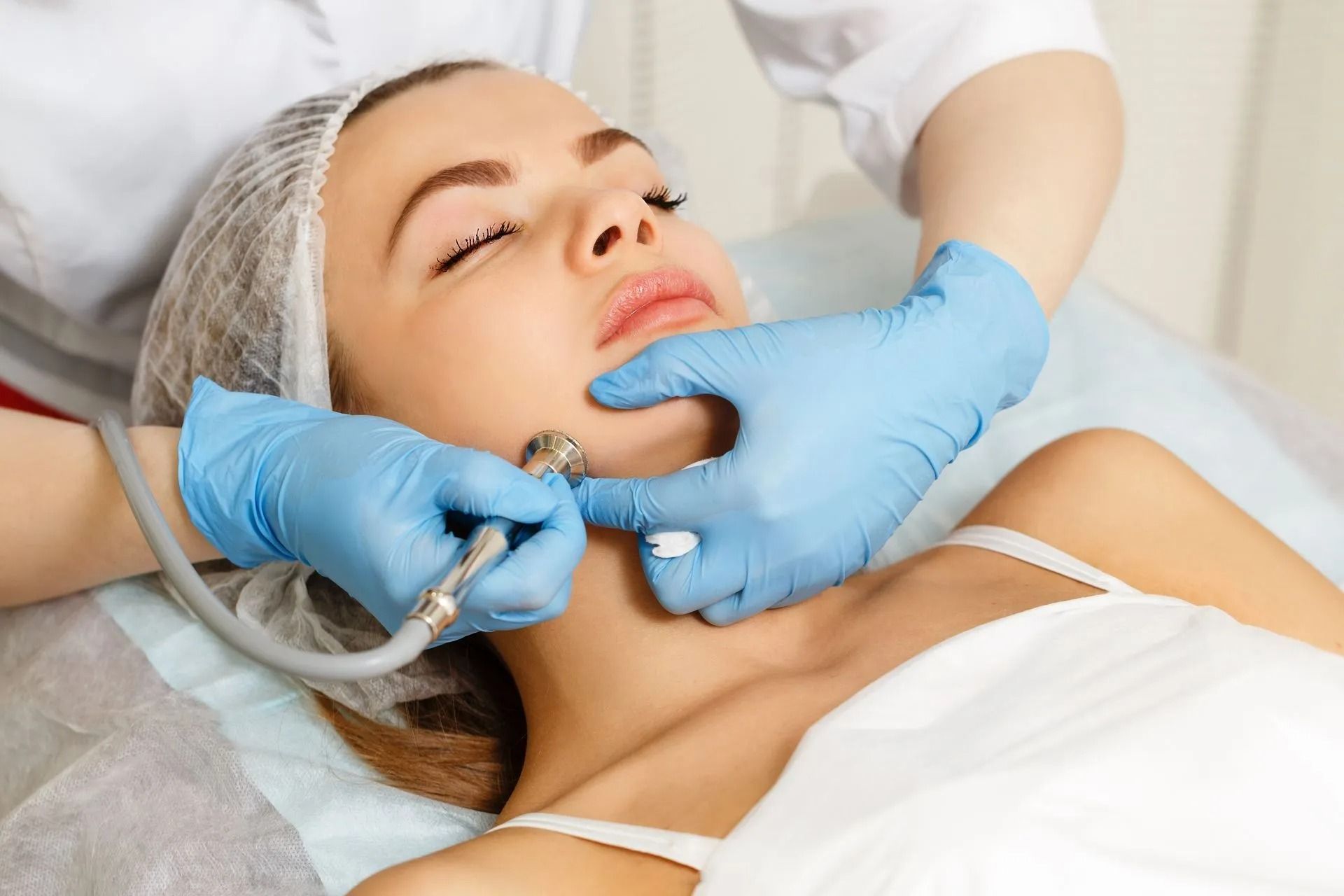
Diamond-tip microdermabrasion uses a handheld device with a diamond-coated tip to gently exfoliate the skin's surface, typically combined with suction to help lift away the loosened dead skin cells. Compared with older crystal-based methods, diamond-tip devices are generally considered a more controlled and adjustable option, allowing the practitioner to vary the intensity depending on your skin's sensitivity and the area being treated.
A typical session involves cleansing the skin, performing the diamond-tip exfoliation across the treatment area and finishing with a soothing product suited to your skin's needs immediately afterward. The treatment itself is generally well tolerated, though some clients may notice mild redness or sensitivity for a short period following the session.
What You Might Notice After One Session vs a Course of Treatments
After a single session, some clients notice their skin feels smoother and may appear slightly brighter, though this initial effect can be relatively short-lived for some individuals. A course of treatments, rather than a single session, is generally recommended for those hoping to see more noticeable, longer-lasting changes in texture over time, since repeated sessions build on the effects of previous treatments rather than relying on one isolated result.
That said, outcomes vary from person to person, and it's worth approaching a course of treatments with realistic expectations rather than assuming a specific result. Some clients choose to combine microdermabrasion with complementary treatments such as LED light therapy as part of a broader approach to their skin, which can be discussed during a consultation if you're interested in exploring options beyond microdermabrasion alone.
How Often Should You Get Microdermabrasion?
The right frequency depends on individual skin type, goals and how your skin responds to treatment, so this is genuinely a conversation to have with your practitioner rather than a fixed rule that applies to everyone. Some clients opt for sessions spaced several weeks apart as part of an ongoing maintenance routine, while others use it more occasionally alongside other skincare practices.
Because skin needs time to recover and respond between sessions, more frequent treatment isn't necessarily better, and a practitioner can help determine a sensible schedule based on your specific skin and how it's responding over the course of treatment.
Microdermabrasion vs a Regular Facial: What's the Difference?
Microdermabrasion and a standard facial both aim to improve the look and feel of the skin, but they work quite differently. A regular facial typically focuses on cleansing, hydration and relaxation, often using massage and skincare products tailored to your skin type. Microdermabrasion, by contrast, is a more targeted exfoliation treatment using a mechanical device to physically remove dead skin cells from the surface.
For a more detailed breakdown, we've covered
how microdermabrasion compares to a regular facial in a separate guide, which is worth a read if you're deciding between the two or wondering whether one might suit your skin and goals better than the other.
Aftercare: SPF and Avoiding Active Ingredients
Aftercare matters just as much as the treatment itself when it comes to how your skin responds. Following a microdermabrasion session, SPF is strongly recommended, since freshly exfoliated skin can be more sensitive to sun exposure than usual. It's also generally advised to avoid active ingredients such as retinoids or exfoliating acids in your skincare routine for a few days following treatment, as your skin needs time to settle before reintroducing more intensive products.
Your practitioner can give you specific aftercare guidance tailored to your skin and the treatment performed, and following this guidance closely tends to support a more comfortable recovery between sessions.
Is Microdermabrasion Right for You?
Whether microdermabrasion is a good fit depends on your individual skin, your goals and how your skin has responded to similar treatments in the past, if at all. It can assist with texture and the appearance of dullness for some clients, but it's not a guaranteed fix for every skin concern, and expectations are best set through a proper conversation with a qualified practitioner rather than general information alone.
If you're curious whether microdermabrasion suits your skin, or want to talk through a realistic course of treatment tailored to your goals, book a consultation with the team at Aura Mediclinic. We can talk through your specific skin, concerns and expectations before recommending any course of treatment.
Frequently Asked Questions
Does microdermabrasion hurt?
Most clients find the treatment comfortable, with some reporting mild sensitivity or light redness afterward, though individual experiences can vary.
How soon will I see results after microdermabrasion?
Some clients notice their skin appears smoother or brighter shortly after a session, though the extent and duration of any visible change can vary from person to person, and a course of treatments is often recommended for more noticeable results over time.
Can microdermabrasion help with acne scars?
Microdermabrasion may help reduce the appearance of minor texture concerns for some clients, though it's not a guaranteed treatment for scarring, and a consultation can help set realistic expectations for your specific skin.
Is microdermabrasion suitable for sensitive skin?
It can be suitable for many skin types, including sensitive skin, though a practitioner will typically assess your skin during a consultation to determine an appropriate approach and intensity.
What should I avoid after a microdermabrasion session?
It's generally recommended to wear SPF and avoid active ingredients like retinoids or exfoliating acids for a few days following treatment, to give your skin time to settle.